
 Deutschland
 France
 Nederland
 Great Britain
 Sverige
 Danmark
 Suomi
Suomi Italia
 Polska
 Česko
Česko España
VS
Honda Jazz vs Lexus LBX confronto
Confronta potenza (122 CV vs 136 CV), bagagliaio e prezzo (26.600 € vs 33.800 € ) a colpo d’occhio. Scopri quale auto è la scelta migliore per te: Honda Jazz o Lexus LBX.
Honda Jazz vs Lexus LBX: le principali differenze
Tutti i dettagli su prestazioni, consumi, autonomia e bagagliaio sono disponibili nel confronto tecnico qui sotto, dove trovi anche le recensioni degli utenti per entrambi i modelli.
Jazz
Costi e consumi
Prezzo ed efficienza sono i fattori in cui si notano le differenze più evidenti. Spesso proprio qui si decide quale modello conviene di più nel lungo periodo.
Honda Jazz è chiaramente più economica – parte da 26.600 € , mentre Lexus LBX costa 33.800 € . La differenza è di circa 7.269 €.
Entrambi i veicoli consumano in media 4,5 L/100km – nessuna differenza significativa.
LBX
Motore e prestazioni
Potenza, coppia e accelerazione dicono molto sul comportamento su strada. Qui si scopre quale modello offre più dinamismo.
In termini di potenza, Lexus LBX offre in parte più potenza – 136 CV contro 122 CV. Circa 14 CV di differenza.
Nell’accelerazione da 0 a 100 km/h, Lexus LBX è molto leggermente più veloce – completa lo sprint in 9,2 s, contro 9,4 s della Honda Jazz. Circa 0,2 s di differenza.
Si nota anche una differenza nella coppia: la Honda Jazz offre notevolmente più coppia, con 253 Nm contro 185 Nm. La differenza è di circa 68 Nm.
Jazz
Spazio e praticità
Oltre alle prestazioni, nella vita di tutti i giorni conta soprattutto il comfort interno. Qui si vede quale vettura è più pratica e flessibile.
Entrambi i modelli offrono spazio sufficiente per 5 persone.
Nel peso a vuoto, Lexus LBX è molto leggermente più leggera – 1.280 kg contro 1.302 kg. La differenza è di circa 22 kg.
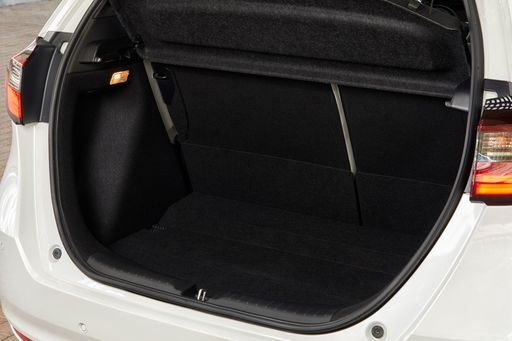
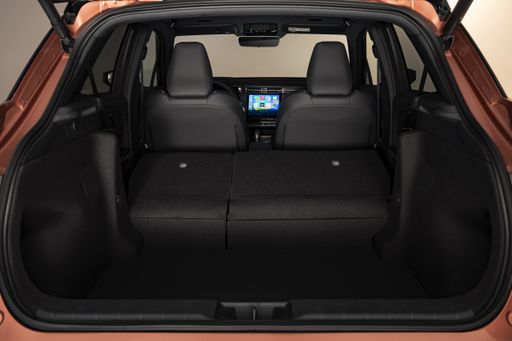
Per la capacità del bagagliaio, Lexus LBX offre appena più spazio – 332 L contro 304 L. Circa 28 L di differenza.
Per la portata utile, Lexus LBX offre in parte più capacità – 475 kg contro 388 kg. Circa 87 kg di differenza.
Chi vince la corsa nell’analisi dei dati?
Honda Jazz leggermente superiore nel confronto oggettivo dei dati.
Questa valutazione mostra solo quale modello ottiene più punti sulla carta – non quale delle due auto sia quella giusta per te.
da 26.600 €
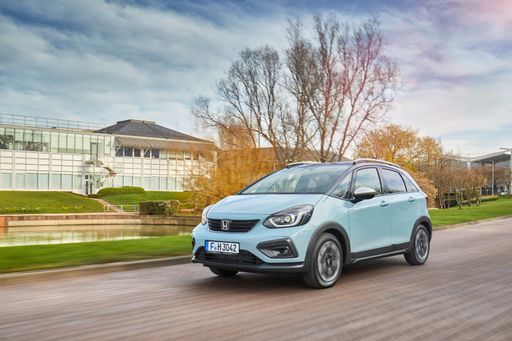
Honda Jazz
Honda Jazz
Lexus LBX
Costi e Consumo
Visualizza l’analisi dettagliata
Visualizza l’analisi dettagliata
Motore e Prestazioni
Visualizza l’analisi dettagliata
Visualizza l’analisi dettagliata
Dimensioni e Carrozzeria
Visualizza l’analisi dettagliata
Visualizza l’analisi dettagliata
Honda Jazz
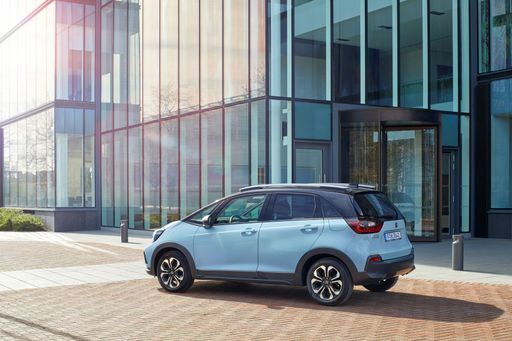
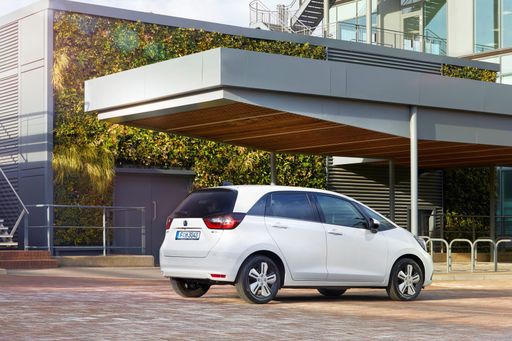
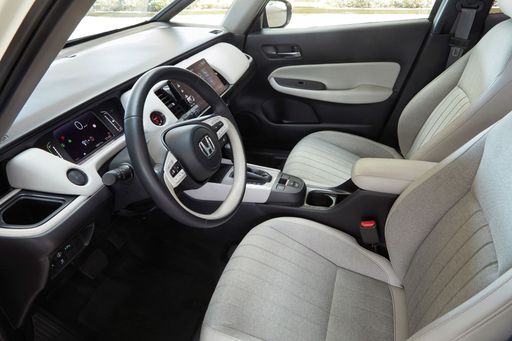
La Honda Jazz è una citycar furba: sfrutta ogni centimetro a disposizione senza fare drammi e sa trasformare piccoli spazi in soluzioni intelligenti per la vita quotidiana. Guidarla è un piacere pragmatico — comoda, semplice e senza fronzoli, perfetta per chi vuole un'auto che lavora sodo senza chiedere troppo.
dettagli
Lexus LBX
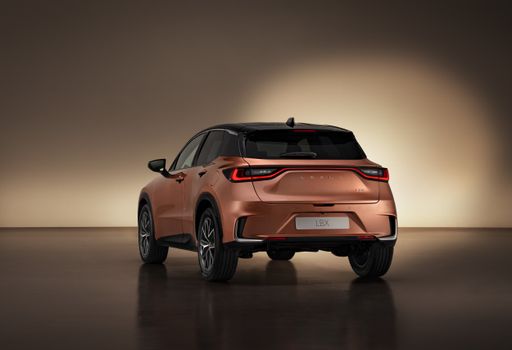
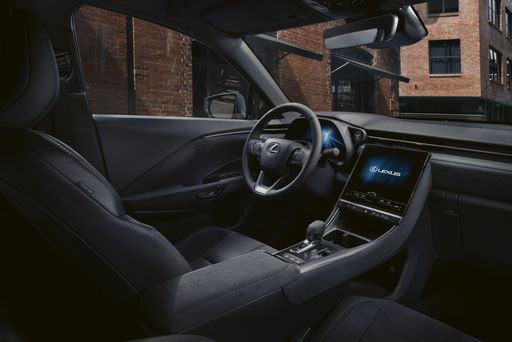
La Lexus LBX, spesso chiamata semplicemente LBX, è una crossover compatta che punta su comfort raffinato e design elegante per l'uso quotidiano in città. Gli interni sono curati e la guida è pensata per essere fluida e rilassante, con una dotazione moderna che privilegia praticità e comfort.
dettagli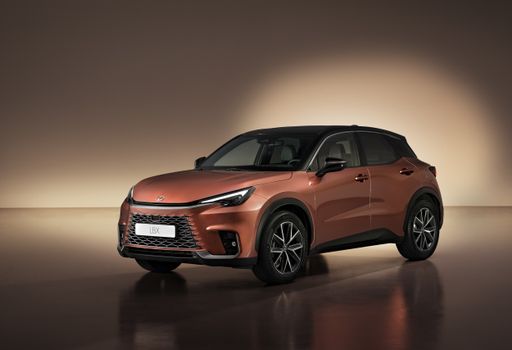
Honda Jazz
Lexus LBX
Costi e Consumo |
|
|---|---|
|
Prezzo
26.600 - 31.000 €
|
Prezzo
33.800 - 47.900 €
|
|
Consumo L/100km
4,5 - 4,8 L/100km
|
Consumo L/100km
4,5 - 4,8 L/100km
|
|
Consumo kWh/100km
-
|
Consumo kWh/100km
-
|
|
Autonomia elettrica
-
|
Autonomia elettrica
-
|
|
Capacità della batteria
-
|
Capacità della batteria
-
|
|
co2
102 - 108 g/km
|
co2
102 - 110 g/km
|
|
Capacità serbatoio
-
|
Capacità serbatoio
-
|
Dimensioni e Carrozzeria |
|
|---|---|
|
Tipo di carrozzeria
Hatchback
|
Tipo di carrozzeria
SUV
|
|
Sedili
5
|
Sedili
5
|
|
Porte
-
|
Porte
-
|
|
Peso a vuoto
1.302 - 1.321 kg
|
Peso a vuoto
1.280 - 1.365 kg
|
|
Capacità bagagliaio
304 L
|
Capacità bagagliaio
255 - 332 L
|
|
Lunghezza
-
|
Lunghezza
-
|
|
Larghezza
1.694 mm
|
Larghezza
1.825 mm
|
|
Altezza
-
|
Altezza
-
|
|
Capacità massima bagagliaio
-
|
Capacità massima bagagliaio
-
|
|
Portata
369 - 388 kg
|
Portata
455 - 475 kg
|
Motore e Prestazioni |
|
|---|---|
|
Tipo di motore
Full hybrid
|
Tipo di motore
Full hybrid
|
|
Trasmissione
Automatico
|
Trasmissione
Automatico
|
|
Dettaglio della trasmissione
Cambio automatico
|
Dettaglio della trasmissione
Trasmissione CVT
|
|
Tipo di trazione
Trazione anteriore
|
Tipo di trazione
Trazione anteriore, Trazione integrale
|
|
Potenza CV
122 CV
|
Potenza CV
136 CV
|
|
Accelerazione 0-100km/h
9,4 - 9,7 s
|
Accelerazione 0-100km/h
9,2 - 9,6 s
|
|
Velocità massima
-
|
Velocità massima
-
|
|
Coppia
253 Nm
|
Coppia
185 Nm
|
|
Numero di cilindri
4
|
Numero di cilindri
3
|
|
Potenza kW
90 kW
|
Potenza kW
100 kW
|
|
Cilindrata
1.498 cm3
|
Cilindrata
1.490 cm3
|
Generale |
|
|---|---|
|
Anno del modello
2025
|
Anno del modello
2025
|
|
Classe di efficienza CO2
C
|
Classe di efficienza CO2
C
|
|
Marca
Honda
|
Marca
Lexus
|
DriveDuel utilizza l’analisi dei dati e l’intelligenza artificiale per valutare i dati dei veicoli e creare contenuti. I contenuti vengono verificati e migliorati regolarmente.
I prezzi indicati sono stime basate sui prezzi di listino tedeschi, adattati all’IVA del rispettivo paese. Le tasse di immatricolazione specifiche del paese non sono incluse. Queste informazioni non sono giuridicamente vincolanti.