@ Toyota Motor Corporation
@ Volkswagen AG / VW Media
VS

Toyota Yaris vs VW Polo – Prestazioni, autonomia e consumi a confronto

Entrambi i modelli hanno i loro punti di forza – ma quale fa per te?
Confronta direttamente prestazioni, consumi, prezzo e spazio: Toyota Yaris o VW Polo?

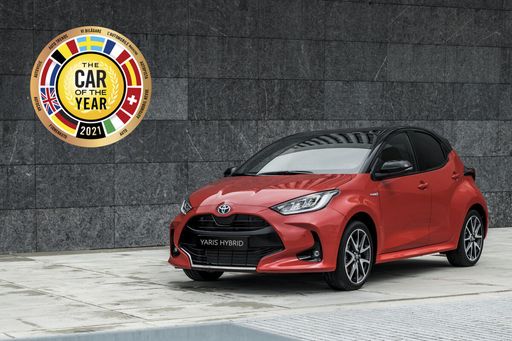
Yaris @ Toyota Motor Corporation

Battle of the Hatchbacks: Toyota Yaris vs VW Polo

The compact car segment has long been a competitive battlefield, and the latest models from Toyota and Volkswagen are no exception. The Toyota Yaris and VW Polo are two of the most popular choices, and both have come a long way in terms of innovation, design, and technical prowess. Let's dive into a detailed comparison between the two to see how they stack up against each other.

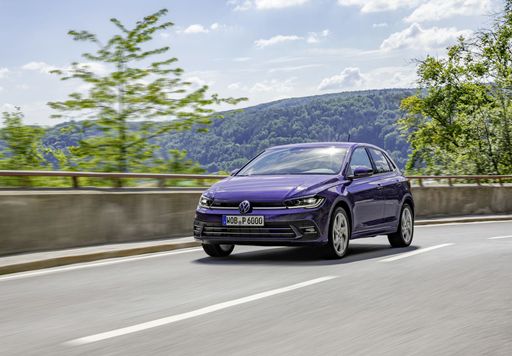
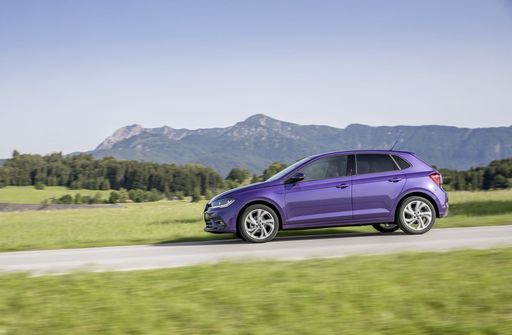
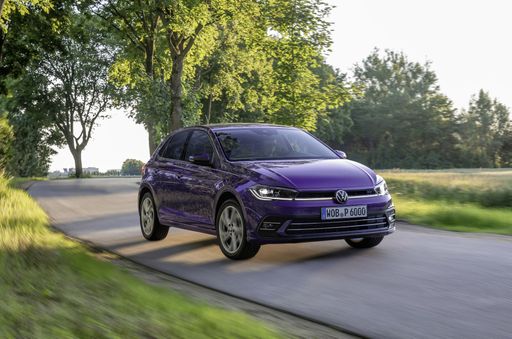
Polo @ Volkswagen AG / VW Media

Performance and Engine Options

The Toyota Yaris is available in both full hybrid and petrol engine configurations, offering drivers a choice between eco-efficiency and traditional power. The hybrid version delivers 116 HP with impressive fuel consumption of just 3.8 L/100km, while the petrol variants go up to 130 HP and even a sporty 280 HP for those seeking a thrill. With acceleration from 0-100 km/h in as quick as 5.5 seconds for the higher-end models, the Yaris doesn't compromise on performance.

On the other hand, the VW Polo sticks to petrol engines, offering a range of power outputs from 80 HP to a peppy 207 HP. The Polo’s most efficient model consumes 5.1 L/100km, making it slightly less fuel-efficient than the Yaris hybrid. Acceleration varies from a modest 15.6 seconds to a swift 6.5 seconds to reach 100 km/h, showing that it caters to a wide audience.

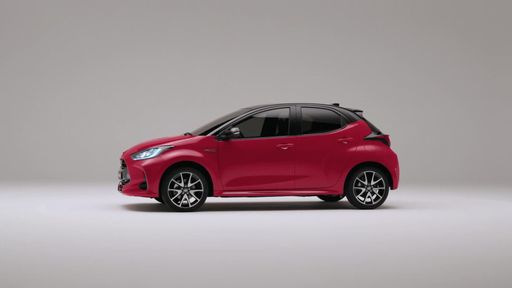
Yaris @ Toyota Motor Corporation

Transmission and Drive

Toyota’s Yaris provides both automatic and manual transmissions, catering to different driving preferences. The front-wheel-drive setup is standard, although an all-wheel-drive option enhances its appeal, especially for those who face tougher driving conditions.

VW Polo offers a choice between a manual gearbox and a dual-clutch automatic transmission, renowned for its smooth and rapid gear changes. Like the Yaris, it also features front-wheel drive, which is typical for this vehicle class.

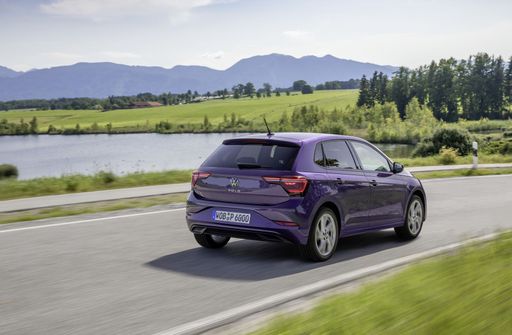
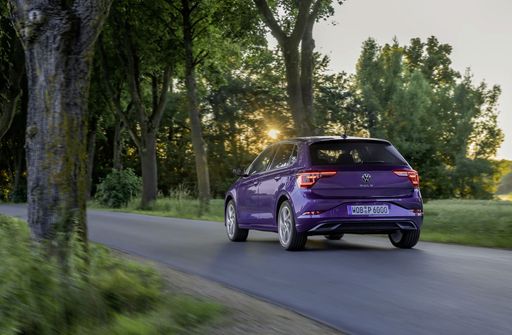
Polo @ Volkswagen AG / VW Media

Design and Dimensions

In terms of dimensions, the Yaris is slightly shorter at 3940 mm compared to the Polo’s 4074 mm, which may appeal to city drivers looking for ease of maneuverability and parking. The Yaris is also marginally wider, promising a more planted stance on the road. Height-wise, both vehicles are quite similar, with the Polo slightly lower in some configurations, which could enhance aerodynamic efficiency.

Both vehicles offer five doors and a comfortable seating capacity for five occupants, making them practical choices for families or shared use. The VW Polo, however, boasts a slightly larger trunk capacity of 351 L versus the Yaris's 286 L, making it more suitable for those with frequent cargo-carrying needs.

Innovation and Features

The Toyota Yaris stands out with its hybrid technology, which is not only a boost to its fuel efficiency but also contributes to a lower carbon footprint, featuring CO2 efficiency classes ranging from B to G. Innovative safety features and driver aids are expected, although specific details depend on the trim level chosen.

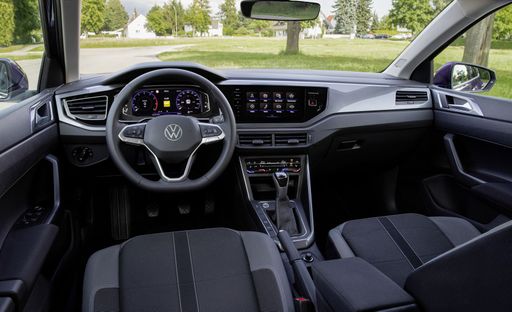
VW Polo focuses on delivering technological sophistication through its infotainment systems and driver assistance technologies. The Polo's lineup includes a variety of trims that allow for personal customization concerning tech features, comfort, and luxury.

Conclusion

Choosing between the Toyota Yaris and VW Polo ultimately depends on what's most important to the driver. The Yaris excels in fuel economy and environmental consideration, thanks to its hybrid option, making it a great choice for eco-conscious urban drivers. The Polo, however, provides a touch more interior space and a wider range of traditional powertrains, appealing to those who prioritize practicality and technological extras.

Both models have their unique strengths and offer exceptional value in the ever-evolving world of compact hatchbacks. Whatever your choice may be, both Toyota and Volkswagen have ensured that you won’t be disappointed.

Ecco i fatti: tutte le differenze tecniche nel dettaglio

Costi e consumi

Prezzo ed efficienza sono i fattori in cui si notano le differenze più evidenti. Spesso proprio qui si decide quale modello conviene di più nel lungo periodo.

VW Polo ha un vantaggio evidente nel prezzo – parte da 20300 €, mentre la Toyota Yaris costa 26100 €. La differenza è di circa 5807 €.

Anche nei consumi di carburante si nota una differenza: la Toyota Yaris si accontenta di 3.80 L ed è quindi notevole più efficiente della VW Polo, che consuma 5.10 L. La differenza è di circa 1.30 L ogni 100 km.

Motore e prestazioni

Sotto il cofano si vede chi ha l’anima più sportiva e chi scatta meglio.

Per quanto riguarda la potenza, la Toyota Yaris ha un vantaggio evidente280 CV contro 207 CV. Un incremento di circa 73 CV CV.

Nell’accelerazione da 0 a 100 km/h, la Toyota Yaris è in misura ridotta più veloce – completa lo sprint in 5.50 s, contro 6.50 s della VW Polo. Circa 1 s di differenza.

In termini di velocità massima, la VW Polo risulta quasi impercettibile superiore – raggiunge 240 km/h, mentre la Toyota Yaris si ferma a 230 km/h. La differenza è di circa 10 km/h.

Si nota anche una differenza nella coppia: la Toyota Yaris spinge in misura ridotta più forte con 390 Nm rispetto a 320 Nm. La differenza è di circa 70 Nm.

Spazio e praticità

Auto per la famiglia o compagna di tutti i giorni – quale offre più spazio, comfort e flessibilità?

Entrambi i modelli offrono spazio sufficiente per 5 persone.

Nel peso a vuoto, la Toyota Yaris è appena percettibile più leggera – 1090 kg contro 1143 kg. La differenza è di circa 53 kg.

Per capacità del bagagliaio, la VW Polo offre leggermente più spazio – 351 L contro 286 L. Circa 65 L di differenza.

Per capacità di carico massima, la VW Polo risulta un po' superiore – fino a 1125 L, circa 190 L in più rispetto alla Toyota Yaris.

Per quanto riguarda la portata utile, la Toyota Yaris leggermente ha la meglio – 525 kg contro 457 kg. Circa 68 kg di differenza.

Chi è la vincitrice del duello?

Nel complesso, la Toyota Yaris si conferma supera in quasi tutti gli aspetti e conquista il titolo di DriveDuel Champion.
Convince per l’equilibrio generale e si rivela la compagna più versatile per l’uso quotidiano.

da ca. 26.100 €
Yaris @ Toyota Motor Corporation

Toyota Yaris

  • Tipo di motore : Ibrido completo, Benzina
  • Trasmissione : Automatico, Manuel
  • Tipo di trazione : Trazione anteriore, Trazione integrale
  • Potenza CV : 116 - 280 CV
  • Consumo L/100km : 3.8 - 9.5 L

Toyota Yaris

La Yaris è una city car sveglia e pratica, perfetta per chi cerca stile moderno e semplicità d'uso nella giungla urbana. Dentro è più curata di quanto ci si aspetti e regala una guida tranquilla e rassicurante, ideale per chi vuole affidabilità senza fronzoli (con un pizzico di brio quando serve).

dettagli

VW Polo

La Polo è la compatta che sa fare il mestiere con gusto: stile sobrio, interni curati e una qualità percepita che sembra appartenere a una categoria superiore. Perfetta per chi cerca praticità quotidiana senza rinunce, è l'auto che ti accompagna in città con disinvoltura e che non fa scena ma ti mette al volante con un sorriso.

dettagli
Toyota Yaris
VW Polo
Yaris @ Toyota Motor Corporation
Polo @ Volkswagen AG / VW Media

Costi e Consumo

Prezzo
26100 - 55900 €
Prezzo
20300 - 36300 €
Consumo L/100km
3.8 - 9.5 L
Consumo L/100km
5.1 - 6.5 L
Consumo kWh/100km
-
Consumo kWh/100km
-
Autonomia elettrica
-
Autonomia elettrica
-
Capacità della batteria
-
Capacità della batteria
-
co2
87 - 215 g/km
co2
116 - 148 g/km
Capacità serbatoio
36 - 50 L
Capacità serbatoio
40 L

Dimensioni e Carrozzeria

Tipo di carrozzeria
Hatchback
Tipo di carrozzeria
Hatchback
Sedili
4 - 5
Sedili
5
Porte
3 - 5
Porte
5
Peso a vuoto
1090 - 1356 kg
Peso a vuoto
1143 - 1378 kg
Capacità bagagliaio
141 - 286 L
Capacità bagagliaio
351 L
Lunghezza
3940 - 3995 mm
Lunghezza
4074 mm
Larghezza
1745 - 1805 mm
Larghezza
1751 mm
Altezza
1455 - 1500 mm
Altezza
1431 - 1451 mm
Capacità massima bagagliaio
935 L
Capacità massima bagagliaio
1125 L
Portata
289 - 525 kg
Portata
432 - 457 kg

Motore e Prestazioni

Tipo di motore
Ibrido completo, Benzina
Tipo di motore
Benzina
Trasmissione
Automatico, Manuel
Trasmissione
Manuel, Automatico
Dettaglio della trasmissione
Trasmissione CVT, Cambio manuale, Cambio automatico
Dettaglio della trasmissione
Cambio manuale, Cambio automatico a doppia frizione
Tipo di trazione
Trazione anteriore, Trazione integrale
Tipo di trazione
Trazione anteriore
Potenza CV
116 - 280 CV
Potenza CV
80 - 207 CV
Accelerazione 0-100km/h
5.5 - 9.7 s
Accelerazione 0-100km/h
6.5 - 15.6 s
Velocità massima
175 - 230 km/h
Velocità massima
171 - 240 km/h
Coppia
390 Nm
Coppia
93 - 320 Nm
Numero di cilindri
3
Numero di cilindri
3 - 4
Potenza kW
85 - 206 kW
Potenza kW
59 - 152 kW
Cilindrata
1490 - 1618 cm3
Cilindrata
999 - 1984 cm3

Generale

Anno del modello
2024 - 2025
Anno del modello
2024 - 2025
Classe di efficienza CO2
B, G
Classe di efficienza CO2
D, E
Marca
Toyota
Marca
VW
La Toyota Yaris è disponibile con diversi tipi di trazione?

Viene offerta con Trazione anteriore o Trazione integrale.

I prezzi e i dati visualizzati sono stime basate sui prezzi di listino tedeschi e possono variare a seconda del paese. Queste informazioni non sono legalmente vincolanti.