
 Deutschland
 France
 Nederland
 Great Britain
 Sverige
 Danmark
 Suomi
Suomi Italia
 Polska
 Česko
Česko España
VS
Ford Focus vs Opel Corsa confronto
Confronta potenza (280 CV vs 156 CV), bagagliaio e prezzo (32.900 € vs 23.500 € ) a colpo d’occhio. Scopri quale auto è la scelta migliore per te: Ford Focus o Opel Corsa.
Ford Focus vs Opel Corsa: le principali differenze
Tutti i dettagli su prestazioni, consumi, autonomia e bagagliaio sono disponibili nel confronto tecnico qui sotto, dove trovi anche le recensioni degli utenti per entrambi i modelli.
Focus
Costi e consumi
In termini di economia d’uso, emergono differenze interessanti tra i due modelli.
Opel Corsa è significativamente più economica – parte da 23.500 € , mentre Ford Focus costa 32.900 € . La differenza è di circa 9.442 €.
Anche nei consumi di carburante si nota una differenza: Opel Corsa consuma appena meno, con 4,5 L/100km contro i 4,9 L/100km della Ford Focus. La differenza è di circa 0,4 L/100km.
Corsa
Motore e prestazioni
Potenza, coppia e accelerazione dicono molto sul comportamento su strada. Qui si scopre quale modello offre più dinamismo.
In termini di potenza, Ford Focus offre considerevolmente più potenza – 280 CV contro 156 CV. Circa 124 CV di differenza.
Nell’accelerazione da 0 a 100 km/h, Ford Focus è in modo evidente più veloce – completa lo sprint in 5,7 s, contro 7,9 s della Opel Corsa. Circa 2,2 s di differenza.
Si nota anche una differenza nella coppia: la Ford Focus offre in modo evidente più coppia, con 420 Nm contro 260 Nm. La differenza è di circa 160 Nm.
Focus
Spazio e praticità
Abitabilità, bagagliaio e capacità di carico sono fondamentali per l’uso quotidiano. Qui contano comfort e versatilità.
Entrambi i modelli offrono spazio sufficiente per 5 persone.
Nel peso a vuoto, Opel Corsa è un po' più leggera – 1.175 kg contro 1.330 kg. La differenza è di circa 155 kg.
Per la capacità del bagagliaio, Ford Focus offre notevolmente più spazio – 392 L contro 309 L. Circa 83 L di differenza.
Per la portata utile, Ford Focus offre visibilmente più capacità – 560 kg contro 445 kg. Circa 115 kg di differenza.
Chi vince la corsa nell’analisi dei dati?
Ford Focus vince chiaramente il duello nel confronto oggettivo dei dati.
Questa valutazione mostra solo quale modello ottiene più punti sulla carta – non quale delle due auto sia quella giusta per te.
da 32.900 €
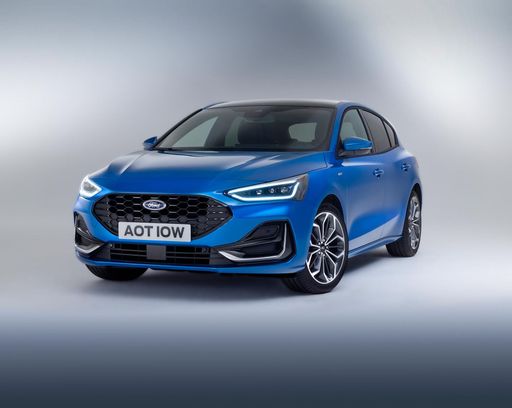
Ford Focus
Ford Focus
Opel Corsa
Costi e Consumo
Visualizza l’analisi dettagliata
Visualizza l’analisi dettagliata
Motore e Prestazioni
Visualizza l’analisi dettagliata
Visualizza l’analisi dettagliata
Dimensioni e Carrozzeria
Visualizza l’analisi dettagliata
Visualizza l’analisi dettagliata
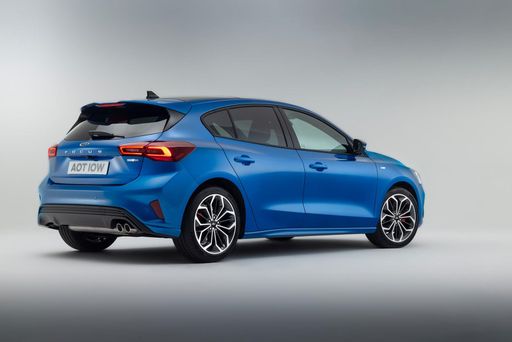
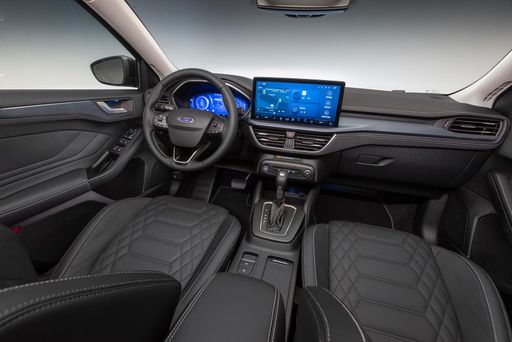
Ford Focus
La Ford Focus è l'auto compatta per chi cerca una guida viva e precisa, capace di rendere piacevole anche il tragitto di tutti i giorni senza apparire pretenziosa. Pratica e ben assemblata, mette insieme personalità e buon senso in un pacchetto equilibrato — perfetta per chi vuole divertirsi al volante senza drammi.
dettagli
Opel Corsa
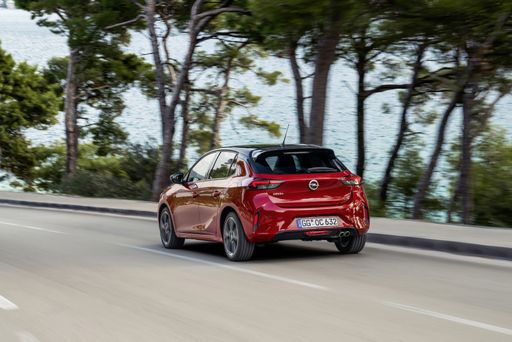
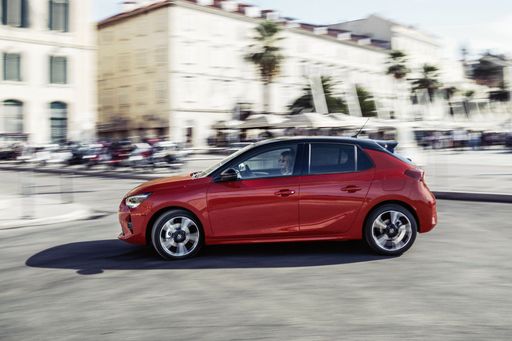
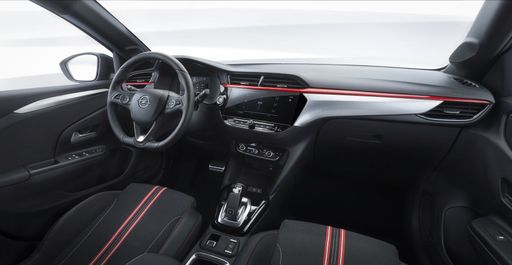
La Opel Corsa è una cittadina intelligente: compatta, maneggevole e pensata per districarsi nel traffico con stile senza complicazioni. Dentro è curata e pratica, con tecnologia intuitiva e costi di gestione contenuti, ideale per chi cerca un'auto quotidiana senza rimpianti e con un pizzico di carattere.
dettagli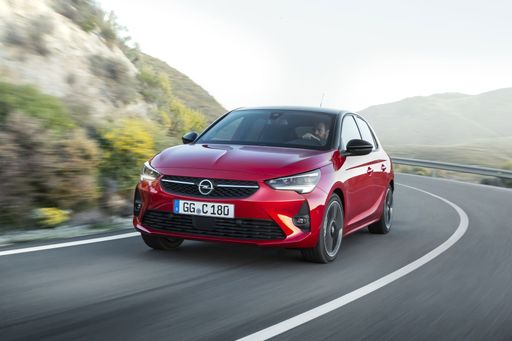
Ford Focus
Opel Corsa
Costi e Consumo |
|
|---|---|
|
Prezzo
32.900 - 51.100 €
|
Prezzo
23.500 - 36.600 €
|
|
Consumo L/100km
4,9 - 8 L/100km
|
Consumo L/100km
4,5 - 5,1 L/100km
|
|
Consumo kWh/100km
-
|
Consumo kWh/100km
14,2 - 15,7 kWh/100km
|
|
Autonomia elettrica
-
|
Autonomia elettrica
357 - 429 km
|
|
Capacità della batteria
-
|
Capacità della batteria
-
|
|
co2
117 - 183 g/km
|
co2
0 - 116 g/km
|
|
Capacità serbatoio
52 L
|
Capacità serbatoio
-
|
Dimensioni e Carrozzeria |
|
|---|---|
|
Tipo di carrozzeria
Hatchback
|
Tipo di carrozzeria
Hatchback
|
|
Sedili
5
|
Sedili
5
|
|
Porte
5
|
Porte
-
|
|
Peso a vuoto
1.330 - 1.529 kg
|
Peso a vuoto
1.175 - 1.544 kg
|
|
Capacità bagagliaio
392 L
|
Capacità bagagliaio
267 - 309 L
|
|
Lunghezza
4.382 - 4.397 mm
|
Lunghezza
-
|
|
Larghezza
1.825 - 1.844 mm
|
Larghezza
1.765 mm
|
|
Altezza
1.438 - 1.482 mm
|
Altezza
-
|
|
Capacità massima bagagliaio
1.354 L
|
Capacità massima bagagliaio
-
|
|
Portata
495 - 560 kg
|
Portata
376 - 445 kg
|
Motore e Prestazioni |
|
|---|---|
|
Tipo di motore
Ibrido leggero benzina, Diesel, Benzina
|
Tipo di motore
Elettrico, Ibrido leggero benzina, Benzina
|
|
Trasmissione
Manuale, Automatico
|
Trasmissione
Automatico, Manuale
|
|
Dettaglio della trasmissione
Cambio manuale, Cambio automatico a doppia frizione, Cambio automatico
|
Dettaglio della trasmissione
Riduttore, Cambio automatico a doppia frizione, Cambio manuale
|
|
Tipo di trazione
Trazione anteriore
|
Tipo di trazione
Trazione anteriore
|
|
Potenza CV
115 - 280 CV
|
Potenza CV
100 - 156 CV
|
|
Accelerazione 0-100km/h
5,7 - 11,8 s
|
Accelerazione 0-100km/h
7,9 - 9,9 s
|
|
Velocità massima
186 - 250 km/h
|
Velocità massima
-
|
|
Coppia
170 - 420 Nm
|
Coppia
205 - 260 Nm
|
|
Numero di cilindri
3 - 4
|
Numero di cilindri
3
|
|
Potenza kW
85 - 206 kW
|
Potenza kW
74 - 115 kW
|
|
Cilindrata
999 - 2.261 cm3
|
Cilindrata
1.199 cm3
|
Generale |
|
|---|---|
|
Anno del modello
2.022 - 2.024
|
Anno del modello
2.024 - 2.025
|
|
Classe di efficienza CO2
D, G
|
Classe di efficienza CO2
A, C, D
|
|
Marca
Ford
|
Marca
Opel
|
DriveDuel utilizza l’analisi dei dati e l’intelligenza artificiale per valutare i dati dei veicoli e creare contenuti. I contenuti vengono verificati e migliorati regolarmente.
I prezzi indicati sono stime basate sui prezzi di listino tedeschi, adattati all’IVA del rispettivo paese. Le tasse di immatricolazione specifiche del paese non sono incluse. Queste informazioni non sono giuridicamente vincolanti.